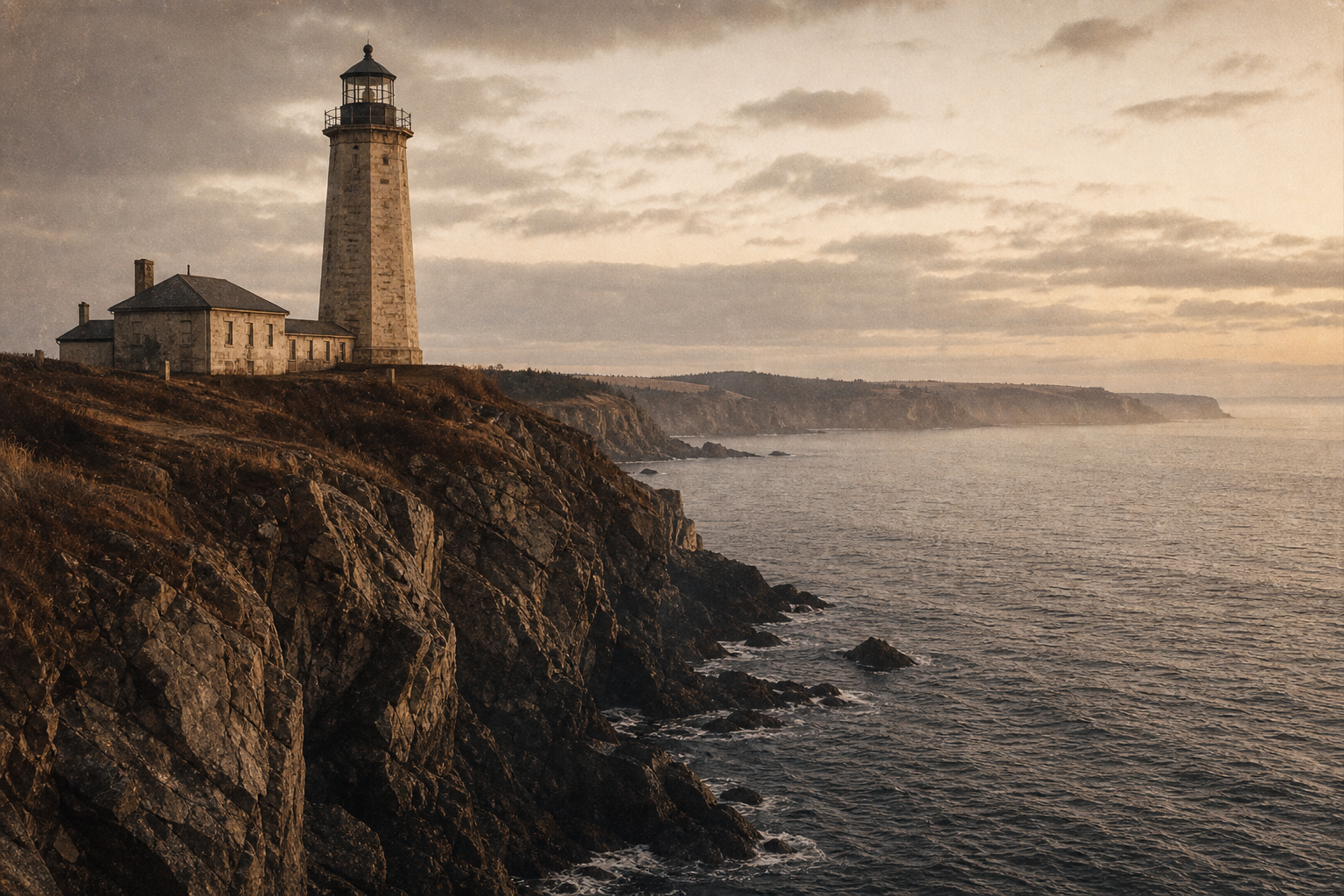
Warm-toned archival photograph of a northern coastal lighthouse on rugged cliffs at dusk with calm sea haze

Beacons of the Northern Coast

Explore archive photographs, keeper stories, and preserved towers that carry the memory of sea routes and coastal communities.

Begin the coastal journey
Archive photographs Keeper stories Preserved towers

Historical introduction

More than beacons, the northern lights formed a working coastal system.

Along harbors, cliffs, and fishing towns, lighthouse stations coordinated safe passage, signaled weather risk, and anchored daily routines that linked mariners, families, and port communities.

  • Navigation

    Light patterns and fog signals reduced wreck risk on shoals and winter approaches.

  • Community life

    Keeper families, pilots, and merchants relied on stations as shared points of timing and trust.

  • Preservation

    Conservation groups now protect towers as records of labor, weather, and coastal memory.
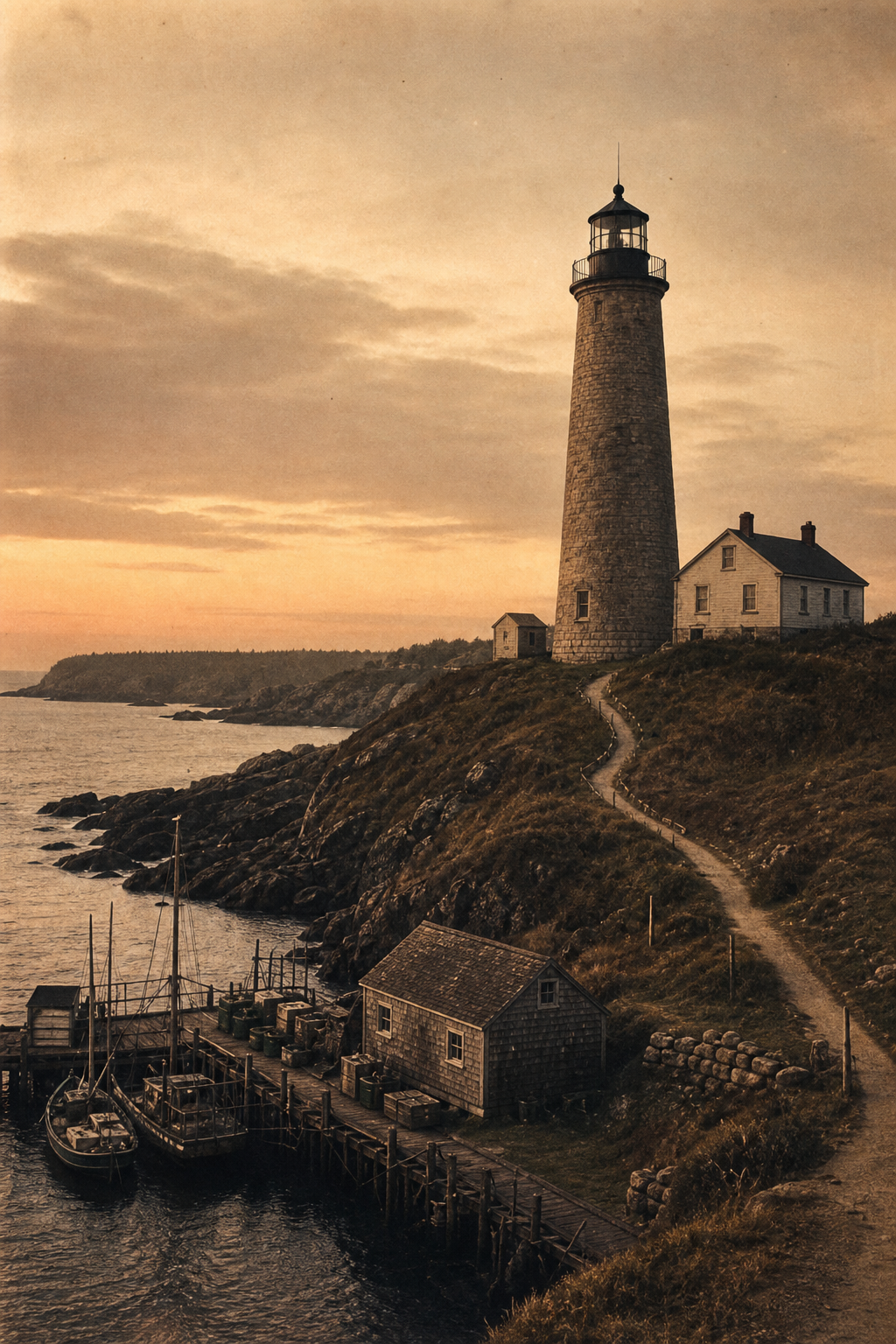
Warm archival photograph of a stone lighthouse above a working northern harbor at dusk
Archival inset · Headland light overlooking supply boats and keeper paths, c. early 20th century.

Curatorial Source Register

  • North Coast Archive Ledger
  • Coastal Beacon Records Office
  • Breakwater Preservation Circle
  • Harbor History Collection
  • Maritime Memory Index

Keeper Stories

Lives behind the northern lights

Brief archival notes from tower journals, workshop logs, and weather books—small routines that kept the beacons steady through long coastal seasons.

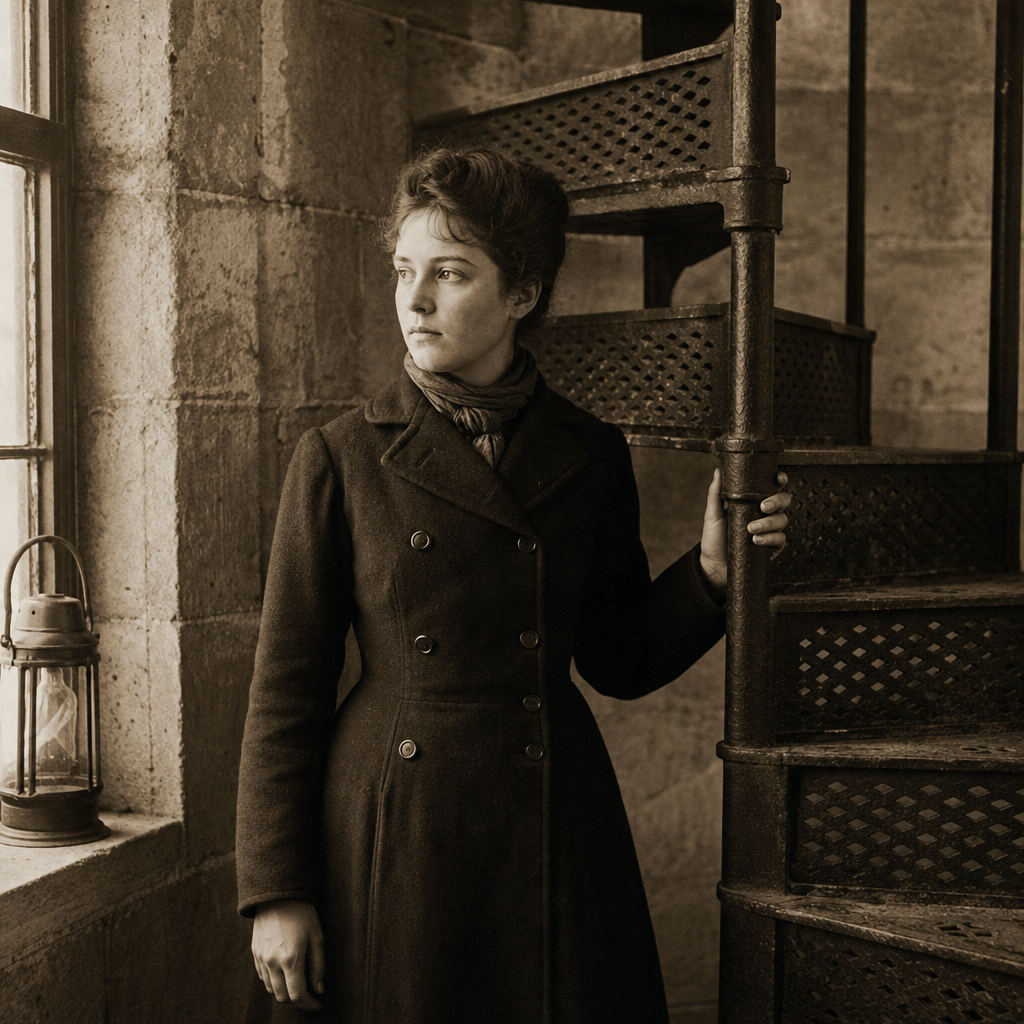
Sepia portrait of assistant keeper Elsie Morrow in a wool coat beside lighthouse stairs
1894 · Assistant Keeper

Elsie Morrow and the dawn wick check

Before first light, Elsie logged soot levels on the lamp glass and trimmed each wick by hand so the beam would hold steady through the harbor fog.

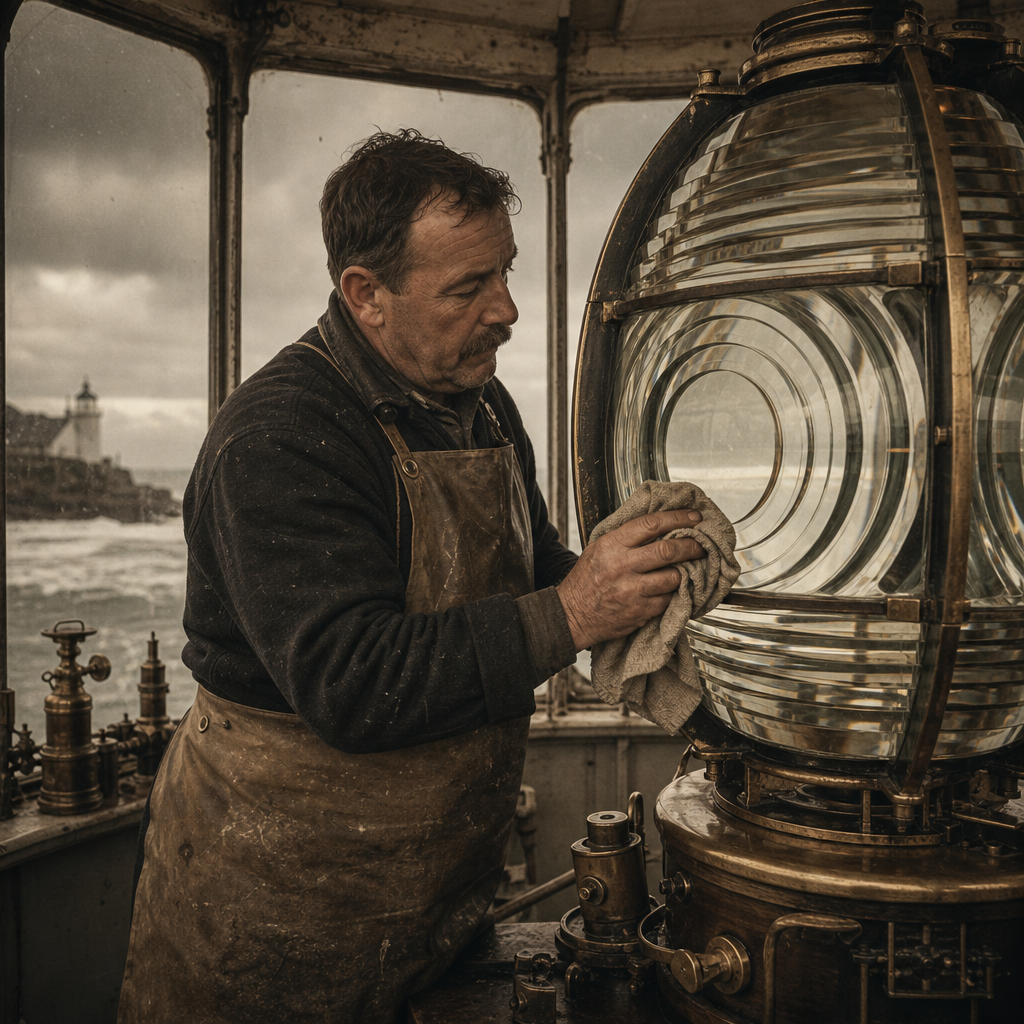
Archival image of keeper Thomas Reed cleaning a large Fresnel lens in the lantern room
1911 · Head Keeper

Thomas Reed’s storm-night polish

During winter squalls, Thomas paused every two hours to wipe salt spray from the lens panes, keeping the flash pattern readable for trawlers offshore.

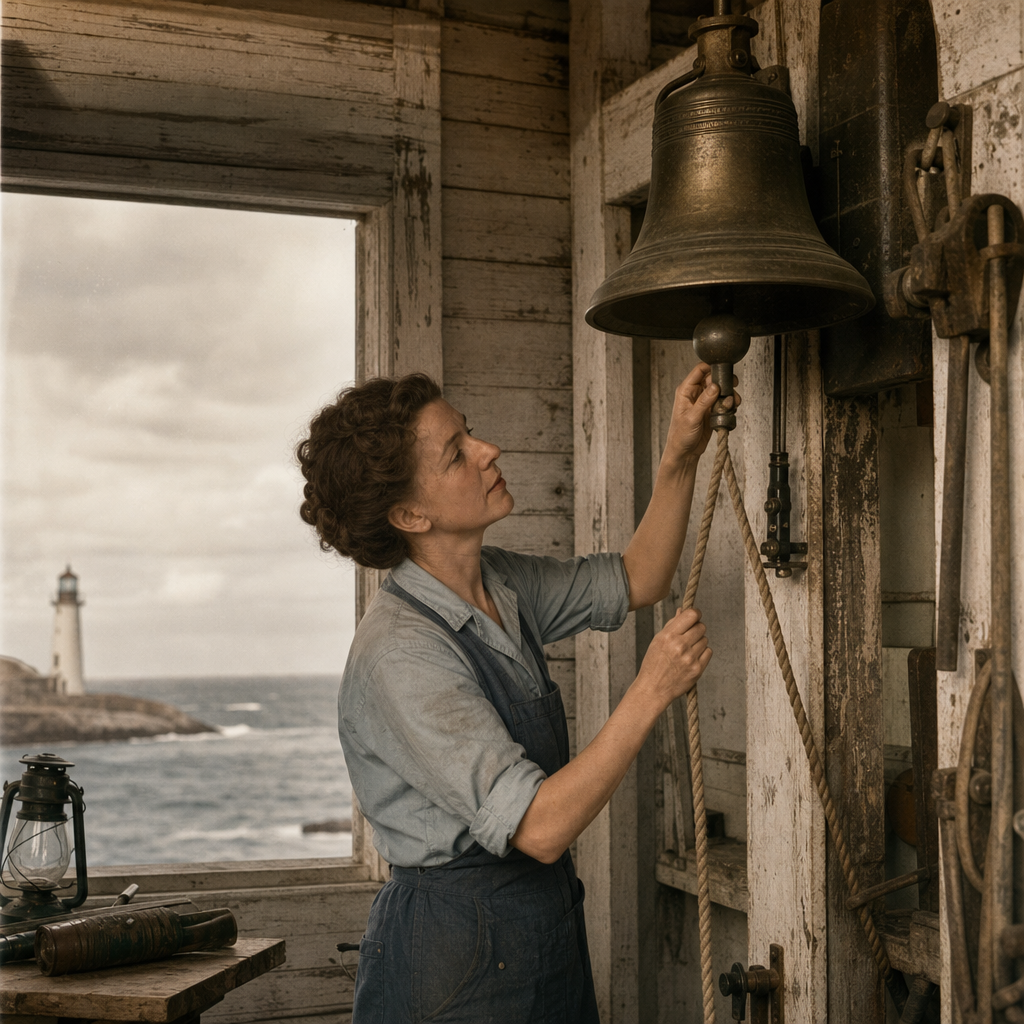
Historic station detail showing Mara Doyle at the fog bell mechanism with rope and brass fittings
1932 · Relief Keeper

Mara Doyle and the fog-bell rope

On isolated shifts, Mara inspected the bell rigging at noon, replacing frayed hemp lines before damp air stiffened them and dulled the warning cadence.

Continue to preserved towers guide

Preserved Towers Along the Northern Coast

Follow the shoreline chart to orient each surviving beacon, then continue through the coast’s later milestones.

Northwatch
Brinecliff
Gullhaven
Stonebar
Wintercape

Coastal heritage chronology

Five eras that shaped the northern lighthouse coast

A compact reference sequence from first construction to present-day preservation.

  1. 1820s · Establishment

    First Lights on the Headlands

    Stone towers and oil lamps marked hazardous shoals for coastal pilots.

  2. 1860–1890 · Expansion

    A Chain Along the Northern Reach

    New stations closed navigation gaps as trade routes and fishing fleets grew.

  3. 1910s–1930s · Modernization

    Lens, Radio, and Weather Signals

    Fresnel upgrades and signal systems improved range, timing, and storm guidance.

  4. 1960s–1980s · Automation

    Keepers Hand Over the Watch

    Remote controls and electric systems reduced staffing while lights stayed continuous.

  5. 1990s–Today · Preservation

    Heritage Towers Reopened

    Communities restored surviving lighthouses as museums, trails, and learning sites.

Visiting notes

Practical guidance for planning a respectful visit or using this archive as a starting point for further local research.

Can I visit every preserved lighthouse directly?

No. Some towers are open only on guided days, while others can be viewed from public paths. Check local council or heritage notices before traveling.

What preservation etiquette should visitors follow?

Stay on marked routes, avoid climbing barriers, and leave stones, fittings, and shoreline artifacts in place so conservation records remain accurate.

How do seasonal conditions affect access?

Wind, fog, and winter surf can close headland paths with little notice. Carry layers, check tide and weather updates, and plan daylight return times.

What usually remains at a preserved lighthouse site?

Most locations retain the tower exterior, keeper dwellings, and service paths; original optics, machinery, or interiors may be removed or restricted.

Why use an archive-based guide before visiting?

Archive context helps you recognize altered features, understand keeper routines, and read the site as working heritage rather than a scenic stop alone.